

Category
WellbeingDate Posted
January 12, 2026Artificial Intelligence (AI) is no longer just a futuristic concept — it’s already reshaping how students learn, explore, and succeed. From personalized learning plans to accessible tools for diverse learners, AI is creating a new ecosystem that puts every student at the center.
By integrating AI responsibly, educators and parents can enhance learning, nurture curiosity, and build future-ready skills for every student.
Benefits of AI for Students
AI offers multiple advantages that improve learning experiences and outcomes for students of all abilities.
1. Personalized Learning
AI tailors lessons to each student’s pace, style, and interests. This ensures that no student is left behind, and every child can progress confidently.
2. Accessibility & Inclusion
Tools like text-to-speech, translation, and other assistive technologies reduce barriers for students with diverse needs, making education more inclusive.
3. 24/7 Support
AI tutors and chatbots provide round-the-clock assistance, reducing reliance on classroom hours and helping students get immediate help when needed.
4. Future-Ready Skills
Exposure to AI builds digital literacy, creativity, adaptability, and problem-solving skills, preparing students for the careers of tomorrow.
5. Faster Feedback
Automated assessments provide instant insights, helping students identify gaps, clarify misconceptions, and consolidate learning efficiently.
Beyond Technology: Building Balance in Classrooms
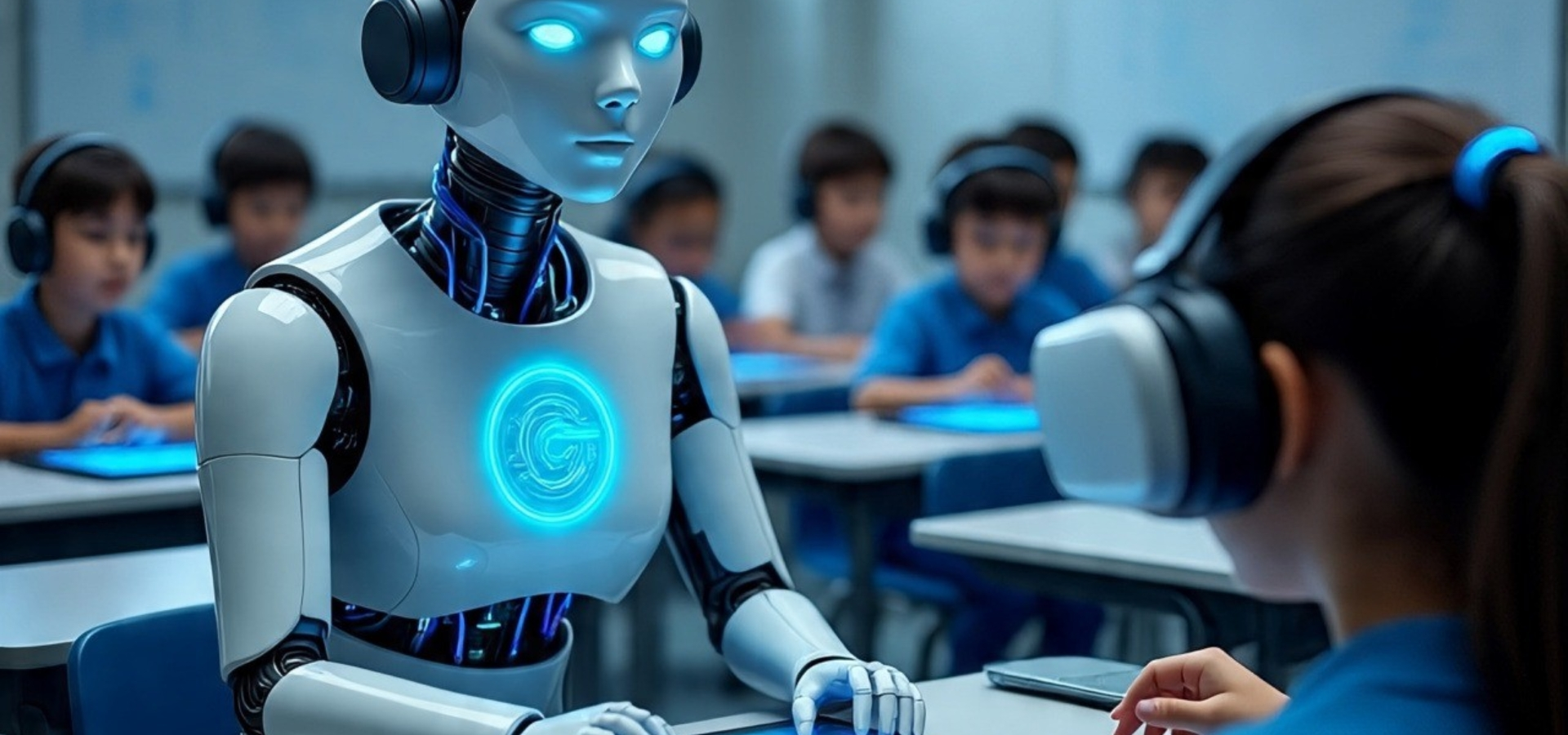
AI is not a replacement for teachers; it is a partner in creating more meaningful, engaging, and inclusive classrooms.
By automating routine tasks, AI frees up educators to:
- Inspire curiosity
- Build confidence
- Nurture resilience
- Focus on personal connections with students
The challenge is not whether students will use AI — they already are. The real question for educators is:
- “How do you see AI shaping the future of learning for the students in your world?”
The Safe4Sure Perspective
At Safe4Sure, we advocate for responsible AI adoption in education. AI should complement human guidance, empowering students to learn, grow, and achieve milestones while maintaining balance, creativity, and wellbeing.
By combining technology with human insight, educators can create inclusive, personalized, and engaging learning environments for every student.
FAQs
AI enables personalized learning, accessibility tools, instant feedback, and 24/7 support, helping students learn more efficiently and inclusively.
No. AI is a tool to assist teachers, freeing up time to focus on emotional guidance, motivation, and building relationships with students.
Digital literacy, creativity, adaptability, problem-solving, and future-ready skills are strengthened through AI integration.
Yes. AI tools like text-to-speech, translation, and assistive technologies improve accessibility and inclusion for diverse learners.
Parents can encourage responsible AI use, support digital literacy at home, and monitor balance between screen-based learning and offline activities.
Author's Bio

Sarita has over 27 years of experience in educational settings. She specializes in safeguarding and inclusive education.