

Category
SafetyDate Posted
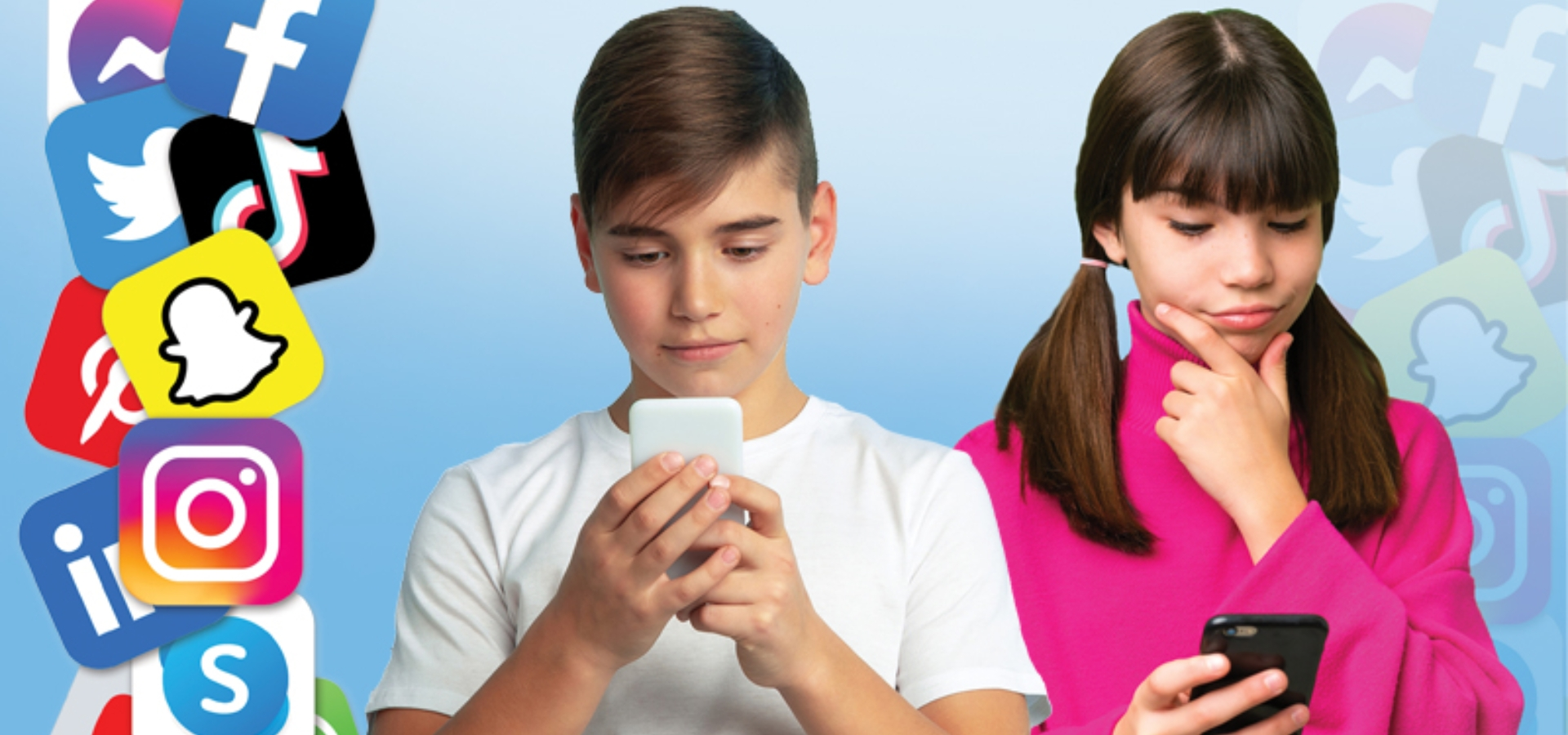
January 12, 2026For today’s students, social media is more than entertainment — it’s part of daily life. From sharing updates to following global trends, students spend a significant portion of their time online.
While social media fosters creativity, connection, and learning, it also presents challenges that can affect focus, wellbeing, and safety. Guiding students toward healthy digital habits is essential to ensure social media becomes a tool for growth rather than stress.
The Positive Side of Social Media
Social media can offer students numerous benefits when used responsibly:
1. A Platform for Creativity
Students can express themselves through:
- Videos and photography
- Blogs or digital writing
- Art and multimedia projects
- This freedom builds creativity, confidence, and communication skills.
2. Connection and Belonging
Social media enables students to:
- Connect with peers
- Share interests and hobbies
- Engage in global communities
- When managed well, this strengthens friendships and fosters a sense of belonging.
3. Access to Information
Platforms provide:
- Tutorials and educational content
- Motivational and skill-building resources
- Exposure to global issues and opportunities
- Social media can help students learn beyond textbooks and broaden their perspectives.
The Challenges Students Face
Despite its benefits, social media carries risks that can impact students’ academic, emotional, and social wellbeing:
1. Distractions from Learning
Constant notifications and peer pressure to keep up with trends can:
- Reduce academic focus
- Interrupt study routines
- Pull attention away from real-world responsibilities
2. Wellbeing and Mental Health
Social media can influence:
- Self-esteem and body image
- Exposure to cyberbullying
- Pressure from comparisons with peers
- Ensuring emotional safety online is critical.
3. Screen Time and Balance
Overuse can affect:
- Sleep patterns
- Concentration
- Face-to-face interactions
- Students need to strike a healthy balance between screen use and real-world activities.
Strategies for Healthy Social Media Use
Parents, educators, and students can work together to foster safe, balanced habits:
Digital Citizenship Education
Teach students about:
- Online privacy
- Empathy and kindness
- Respectful communication
Partnership with Families
Equip parents to:
- Guide digital habits
- Set healthy boundaries
- Model responsible online behavior
Student Empowerment
Encourage students to:
- Reflect on their digital choices
- Set personal limits
- Take ownership of their online wellbeing
The Safe4Sure Approach
Safe4Sure supports families and schools in promoting responsible social media use. By combining education, monitoring tools, and guidance, we help students navigate the digital world safely, confidently, and creatively.
FAQs
Not inherently. Social media can enhance creativity, learning, and connection when used mindfully and responsibly.
Distraction from academics, cyberbullying, comparison pressure, and excessive screen time are key challenges.
Parents can set boundaries, monitor usage, model responsible behavior, and encourage open communication about online experiences.
Digital citizenship teaches students how to navigate the online world responsibly, including privacy, empathy, and respectful communication.
Safe4Sure provides parental tools, digital wellbeing features, and educational resources to promote safe, balanced, and mindful technology use.
Author's Bio

Sarita has over 27 years of experience in educational settings. She specializes in safeguarding and inclusive education.